
No products in the cart.
A Practical Guide to Bullion Liquidity


When people describe physical bullion, they often focus on weight, purity, refinery and price.
Another term matters just as much: liquidity.
Liquidity describes how easily an asset can be converted into cash or another accepted form of value without creating unnecessary difficulty or a major difference from its expected market value.
For physical bullion owners, liquidity is not simply an abstract financial concept. It affects how practical a gold bar, gold coin or silver bar may be when the owner eventually decides to sell.
A product can contain valuable precious metal, but the resale process may still depend on how recognizable the product is, what format it uses, whether there is active demand and how easily another buyer or dealer can evaluate it.
Understanding these factors before purchasing can make physical bullion ownership more deliberate.
Liquidity Does Not Mean Instant Resale at the Retail Price
A liquid asset is generally easier to sell than an illiquid one.
That does not mean the owner should expect to receive the exact retail price currently displayed for a new bullion product.
Physical bullion markets have both buying and selling sides.
When a dealer sells a new product, its price can include:
- The underlying precious-metal value
- Refining and manufacturing costs
- Distribution
- Packaging
- Inventory costs
- Product-specific premiums
When an owner later sells bullion back into the market, a dealer evaluates the product from the opposite side of the transaction.
The difference between these two sides is part of the market spread.
Liquidity therefore means the product can generally be converted relatively efficiently, not that every transaction occurs at one universal price.
Recognizable Products Can Be Easier to Understand
One factor supporting physical bullion liquidity is recognition.
A product from an established refinery gives the person evaluating it several immediate reference points.
These may include:
- Manufacturer
- Weight
- Fineness
- Product format
- Refinery markings
- Packaging
- Serial information where applicable
Recognizable formats can simplify the first stage of evaluation because the product is already familiar within the bullion market.
This is one reason many buyers pay attention to established refiners when choosing physical gold.
Products such as the 1 oz Valcambi Swiss Gold Bar combine a widely understood weight with a recognizable Swiss refinery.
The metal remains the central source of value, but recognition can make the physical product easier to identify.
Common Weights Can Support Practical Resale
Weight also affects liquidity.
A bullion product needs a buyer or dealer willing to transact at that particular size.
Common investment weights may be easier for the market to understand because they regularly appear in bullion buying and selling.
For gold, these can include gram-denominated bars and one-ounce formats.
For silver, larger physical weights are common because silver has a lower value per unit of weight.
This does not mean unusual sizes are automatically illiquid.
It means product size should be considered as part of the ownership plan.
A buyer choosing between several small gold bars and one large bar is also choosing between different forms of future flexibility.
Smaller Units Offer Partial Liquidity
Imagine an owner has 100 grams of physical gold.
The holding could exist as:
- One 100 gram bar
- Two 50 gram bars
- Five 20 gram bars
- A mixture of different denominations
The total amount of gold may be similar, but the owner has different resale options.
Someone with five 20 gram bars may be able to sell one or two pieces while retaining the rest.
Someone with one 100 gram bar has one physical unit.
The larger bar may have other advantages, including concentrating more metal into fewer pieces.
The smaller units provide greater physical divisibility.
Neither structure is automatically superior.
The appropriate choice depends on whether future partial resale matters to the buyer.
Liquidity Has a Cost Trade-Off
Greater divisibility can come with a different premium structure.
Each small bullion bar has to be individually manufactured, marked, handled and often packaged.
Buying several small pieces may therefore cost more relative to the total amount of metal than purchasing one larger unit.
This creates a practical trade-off:
- Smaller units: greater flexibility
- Larger units: greater concentration of metal per physical product
A good bullion plan considers both sides.
Choosing only the smallest products because they appear more flexible can increase total premiums.
Choosing only very large products can reduce flexibility later.
The best structure depends on the buyer’s purpose.
Gold and Silver Have Different Liquidity Considerations
Gold and silver are both established precious metals, but their physical ownership characteristics differ.
Gold carries significant value in a compact size.
Silver requires substantially more physical weight to represent a similar monetary amount.
This affects storage, transport and transaction size.
A person selling a small gold bar may be moving a compact high-value product.
Selling a large silver holding can involve considerably more physical weight.
Silver can still be liquid.
The practical process is simply different.
This is why the physical characteristics of the metal should be considered alongside market demand.
Product Condition Can Affect the Process
Bullion is primarily valued for precious-metal content, but physical condition can still influence how straightforward a resale evaluation becomes.
Products should be protected against unnecessary:
- Scratching
- Cleaning
- Modification
- Damage
- Packaging removal
- Exposure to unsuitable storage conditions
A small mark does not make gold cease to be gold.
However, heavily altered or damaged products may require additional examination.
Maintaining bullion responsibly helps preserve a clear product identity.
Documentation Can Support Ownership Clarity
Purchase records do not replace product testing or authentication.
They can still be useful.
Documentation can help the owner keep track of:
- Product
- Weight
- Purchase source
- Purchase date
- Quantity
- Original transaction information
A well-organized owner knows what they hold before approaching a resale transaction.
This becomes increasingly useful as a collection grows.
Someone with two bullion pieces may remember every detail.
Someone with twenty products purchased across several years may benefit from a more structured record.
Market Conditions Influence Liquidity
Liquidity is not permanently identical.
Demand changes.
Dealer inventory changes.
Gold and silver prices move.
Retail interest can increase or decrease.
Certain product types can become more popular at different times.
During periods of strong precious-metal demand, dealers may see more activity.
During quieter periods, transaction conditions can differ.
This is why liquidity should be understood as a market characteristic rather than a guarantee of one particular transaction outcome.
Dealer Networks Matter
Physical bullion does not trade only through digital financial exchanges.
The product itself must be inspected, accepted and transferred.
A strong bullion market therefore depends partly on dealers and buyers who are willing to transact recognized products.
Before purchasing physical bullion, it can be useful to consider whether the seller also provides a clear route for future resale or buyback.
That creates a more complete ownership relationship.
A buyer is not thinking only about how the asset enters the collection.
They are also considering how it could eventually leave.
Liquidity Should Be Considered Before Buying
The best time to think about resale is often before the original purchase.
This does not mean the buyer intends to sell immediately.
It means the product is being evaluated as a complete physical asset.
Before purchasing, consider:
- Is the refinery recognizable?
- Is the weight commonly understood?
- Does the denomination give enough flexibility?
- Is the product easy to identify?
- Does the seller have a clear buyback or resale process?
- Can the product be stored securely without damage?
These questions help connect the buying decision to the full ownership cycle.
Coins Can Have Different Liquidity Dynamics
Gold coins can also be liquid, but their resale characteristics may differ from bars.
A coin can combine precious-metal value with:
- Mint recognition
- Historical significance
- Design
- Year
- Market demand
Certain recognized gold coins may have established buyer interest.
Others may appeal more strongly to collectors than purely bullion-focused buyers.
This makes comparison important.
A buyer should understand whether a coin is being purchased mainly for precious-metal content, numismatic interest, heritage or a combination of these factors.
Avoid Confusing Liquidity With Price Stability
A liquid asset can still change in price.
Gold may be relatively easy to sell while its market price is moving.
Silver may have active demand while experiencing volatility.
Liquidity describes the ability to transact.
Price stability describes something different.
This distinction matters because a buyer should not assume that a liquid product will always be worth the same amount.
Precious-metal markets move.
The advantage of liquidity is that there is generally a functioning market through which ownership can change hands.
The Most Liquid Product Is Not Always the Right Product
A buyer should not select bullion based on liquidity alone.
Other considerations remain important:
- Budget
- Premium
- Storage
- Metal preference
- Weight
- Long-term purpose
- Gifting or transfer plans
- Desired physical flexibility
Someone building a long-term holding may accept less divisibility in exchange for larger bars.
Another buyer may prioritize several smaller denominations.
Both approaches can be reasonable.
Liquidity should be one part of the decision, not the entire strategy.
A Complete View of Physical Ownership
Physical bullion is often attractive because it is direct.
The owner can identify the product.
The weight is visible.
The purity is stated.
The metal exists physically.
Liquidity adds another layer to that simplicity.
A well-chosen bullion product should not only make sense while it is being purchased.
It should also make sense as an asset that may eventually need to be sold, transferred or reorganized.
Recognizable refiners, understandable weights, responsible handling and an established resale route can all contribute to that process.
The goal is not to predict exactly when bullion will be sold.
It is to own it with the full journey in mind.
Frequently Asked Questions
What does liquidity mean in physical bullion?
Liquidity refers to how easily a bullion product can be converted through a sale without creating unnecessary difficulty or a major disconnect from prevailing market conditions.
Are smaller gold bars more liquid than larger bars?
Smaller bars can provide more flexibility because individual pieces can be sold separately, but liquidity also depends on demand, refinery recognition and dealer conditions.
Does liquidity mean I can sell bullion for the retail price?
No. Retail selling prices and dealer buying prices are different sides of the market, and a spread can exist between them.
Do recognized refineries help with bullion liquidity?
Recognizable products can be easier for dealers and buyers to identify, which can support a clearer resale process.
Is silver liquid even though it is heavier than gold?
Yes. Silver has an established market, although larger physical quantities can create different storage, transport and transaction considerations.
Choose Bullion With Future Flexibility
Explore recognized gold bars, gold coins, and silver bars across practical weights and trusted Swiss refineries.
Related Articles
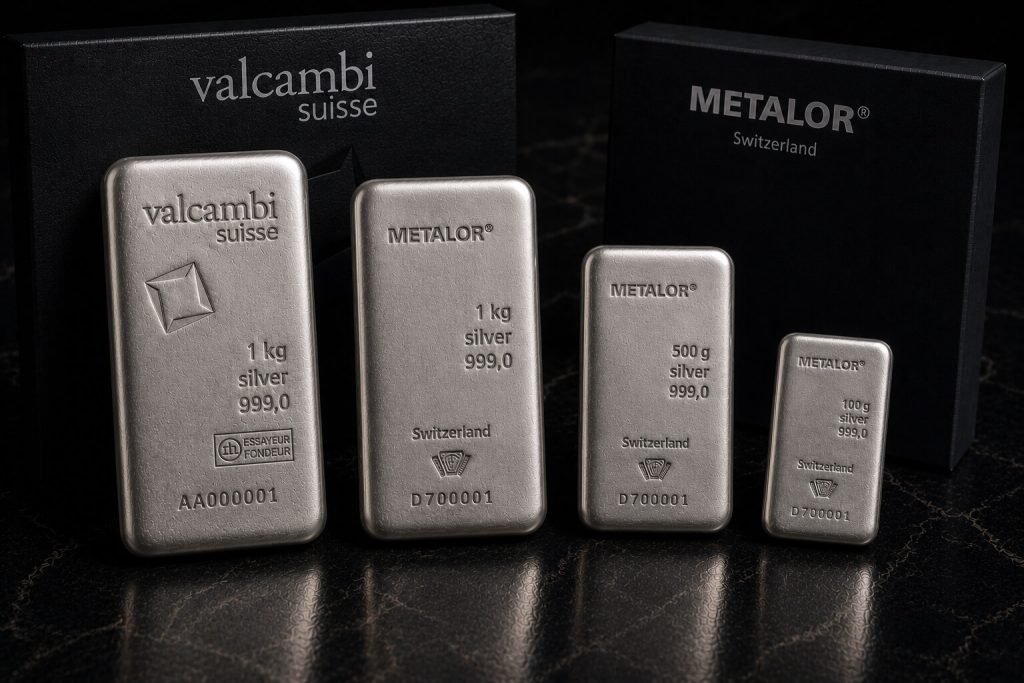
How Silver Bars Add Balance to a Precious Metals Collection
Silver bars can play an important role in a precious metals collection. While gold is often...
Read More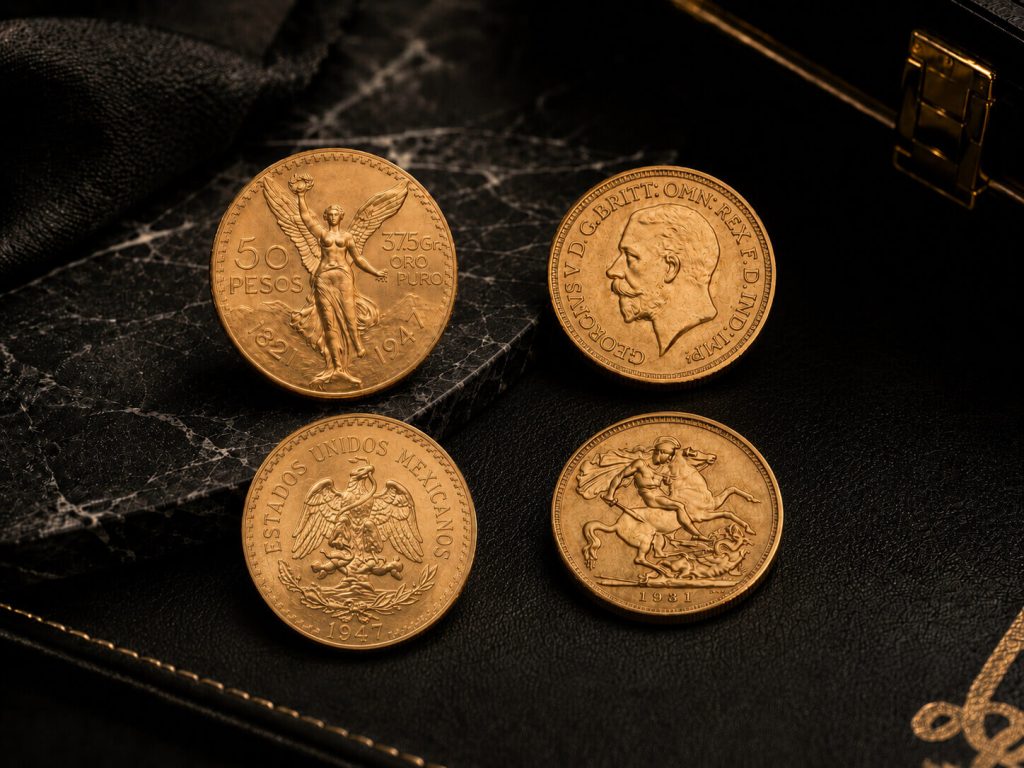
Gold Coins Carry Heritage, Value, and Lasting Appeal
Gold coins hold a special place in the world of precious metals. They are not only...
Read More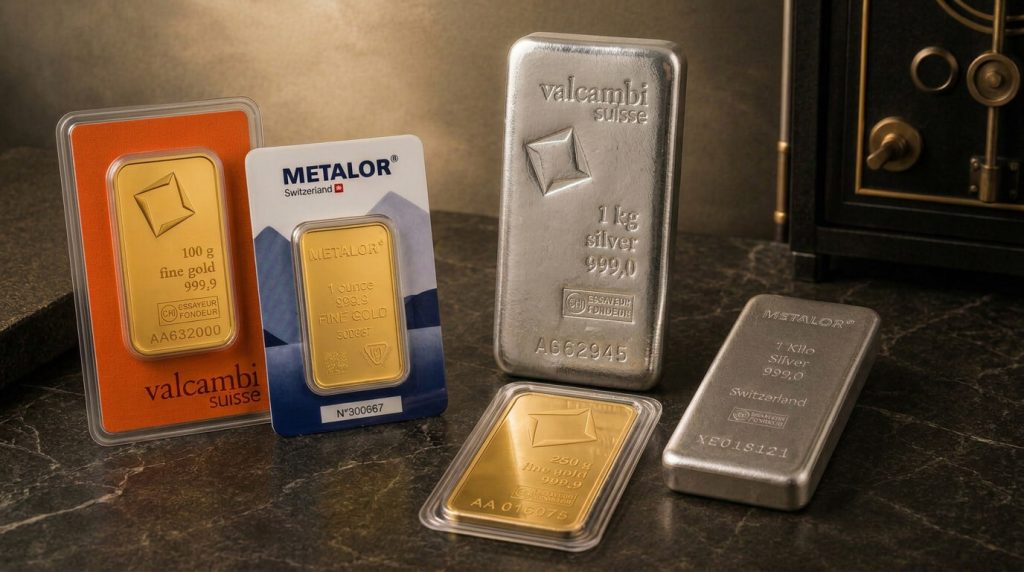
Why Bullion Packaging and Handling Matter
Buying physical bullion is only the beginning of ownership. Once a gold bar, gold coin, or...
Read More